
The most important tool isn’t the DNA test, it’s the Breeder
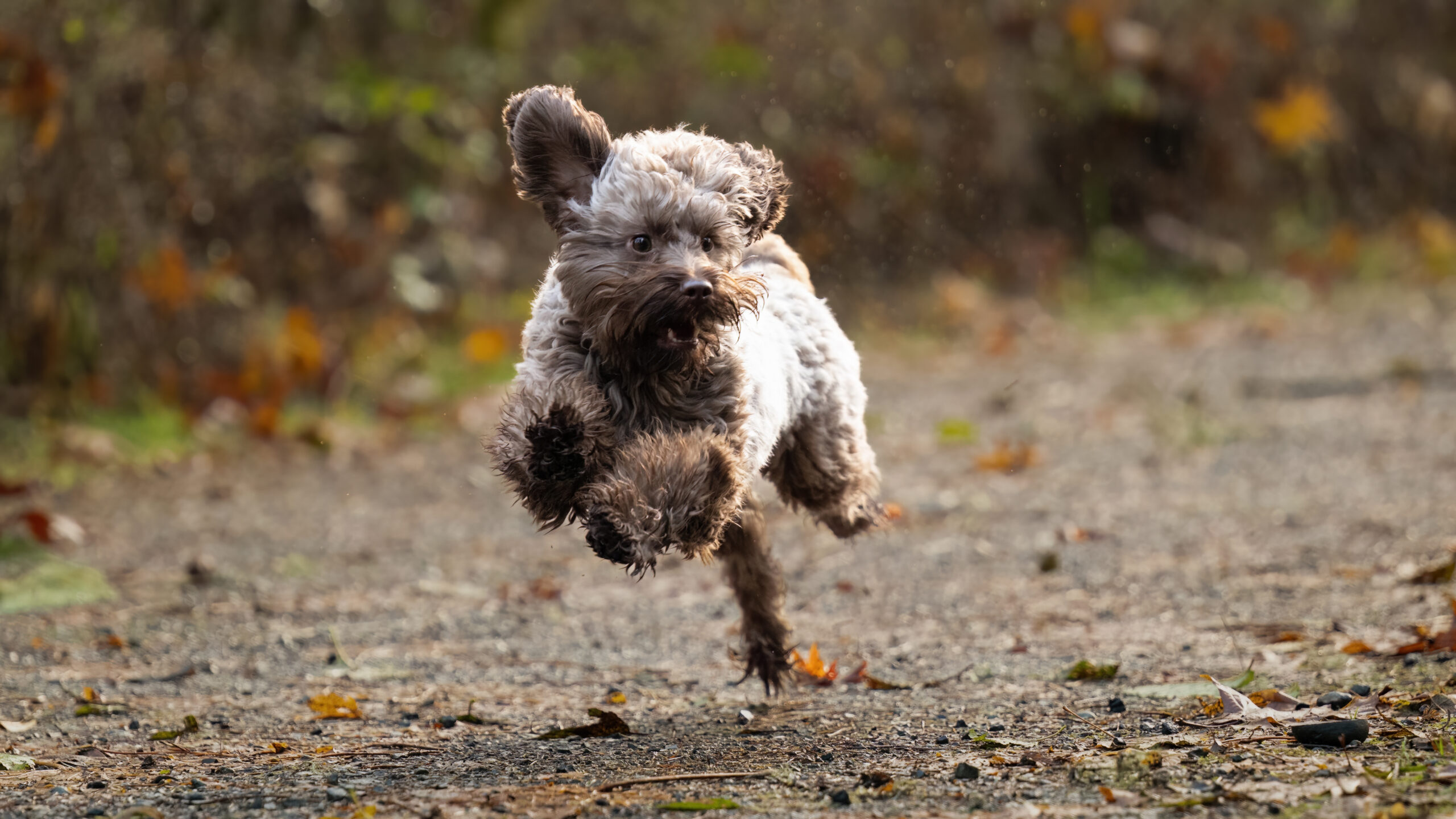
Canela’s latest DNA panel recently arrived and she had a clear panel result. As a bonus, she is clear for the tested mutation associated with copper toxicosis and carries one copy of a protective allele associated with reduced copper accumulation. Her report also confirms several coat and colour traits we already understood from her appearance and pedigree.¹
At first glance, this appears to be a straightforward example of a breeder ordering a comprehensive DNA panel and receiving excellent results.
But when we really understand what these tests tell us, it is also an excellent example of why DNA testing must be interpreted rather than merely collected.
Modern genetic testing is an enormously valuable breeding tool. It allows us to identify certain inherited variants before two dogs are bred and, when used properly, can prevent affected puppies from being born.
However, the quality of a breeding programme cannot be measured by counting the number of tests performed.
A long report does not necessarily tell us that the breeder understands genetics, structure, temperament, pedigree, breed history or the limitations of the tests being used. Some tests identify well-established disease-causing mutations. Others identify risk factors with incomplete penetrance. Some are highly relevant in one breed and of little practical importance in another. Trait tests may identify one part of a complicated biological process while failing to predict what we can plainly observe in the dog.
The real skill lies not in ordering the largest panel available, but in knowing:
- which tests matter in the breed
- what each test actually measures
- how strongly a result predicts disease or phenotype
- how the result should influence a mating
- when the dog and its family history provide more useful information
- how to avoid sacrificing genetic diversity in pursuit of genetically “perfect” dogs
The laboratory provides information. The breeder must provide understanding.
What DNA testing does well
DNA testing is particularly valuable when researchers have identified a specific mutation that has a strong, validated relationship with an inherited disorder.
For a straightforward autosomal recessive condition, a dog may be classified as:
- Clear: The dog has no copies of the tested mutation.
- Carrier: The dog has one copy.
- At risk or affected genotype: The dog has two copies.
When the test is valid for the breed and the mode of inheritance is understood, breeders can select compatible mates and avoid producing genetically affected puppies.
Importantly, that usually does not require removing every carrier from breeding.
Published guidelines for canine clinical genetic testing specifically recognise that breeding a carrier to a tested clear dog can be appropriate. The mating will not produce genetically affected puppies and valuable traits and genetic diversity can be retained. Approximately half the puppies would be expected to be clear and half carriers, allowing a breeder to retain a clear puppy for the next generation.²
This is a critical distinction:
Responsible genetic management means preventing affected puppies. It does not automatically mean eliminating every dog that carries a recessive mutation.
Removing every carrier as soon as a test becomes available may feel cautious, but it can unintentionally shrink the breeding population and increase other genetic risks.
What DNA testing cannot tell us
A cheek swab cannot tell us whether a dog:
- moves freely and efficiently
- has balanced, functional structure
- has the proportions to remain physically sound
- recovers appropriately from stress
- is resilient without being insensitive
- settles comfortably within a household
- communicates appropriately with people and other dogs
- has the temperament families should be able to live with for the next 14 or 15 years
- comes from a family known for health, fertility and longevity
- consistently produces the qualities we want to preserve
Nor can a DNA panel fully explain complex conditions governed by many genes, environmental influences and interactions that have not yet been discovered.
Those assessments require observation, pedigree knowledge, follow-up on relatives and offspring, an educated eye and years of experience.
Australian Labradoodles have been deliberately selected over generations for a particular combination of temperament, structure and coat. Genomic research confirms that multigenerational Australian Labradoodles form a genetically recognisable population and that strong selection has occurred around several coat-related genes, including RSPO2, KRT71 and FGF5.³
That makes breed-specific interpretation especially important. A marker developed across many breeds may not accurately predict a trait within a highly selected Australian Labradoodle population.
More testing does not automatically mean better breeding
Large commercial panels commonly include every test the laboratory offers for a particular group of breeds.
There is nothing inherently wrong with receiving additional information. The problem begins when every result is treated as though it:
- has been validated in the breed
- accurately predicts disease or appearance
- is equally important
- should determine whether the dog is bred
Those assumptions are not scientifically justified.
A laboratory may accurately identify the DNA letters present at a tested location while the clinical or practical importance of those letters remains uncertain in a particular breed.
Standards proposed for canine genetic-testing laboratories emphasise the distinction between analytical validity and clinical validity. Analytical validity asks whether the laboratory accurately detected the variant. Clinical validity asks whether that variant reliably predicts the relevant disorder or trait in the population being tested.²
A test can be analytically correct while being of little practical value to an Australian Labradoodle breeder.
Canela’s DNA results
Canela’s report includes several different categories of information.
| Test or result | What it measures | Usefulness in Australian Labradoodles | How it should influence breeding |
| PRA-prcd, EIC, HNPK and other recessive disease tests | Specific variants associated with inherited disorders | Useful where the variant is relevant to the breed or its foundation populations | Avoid affected matings without automatically discarding carriers |
| Copper toxicosis, CT | A tested variant associated with impaired copper handling | Useful information, although it does not account for every cause of copper-associated liver disease | Consider the result with the mate, family history and clinical information |
| Copper protective variant, CT-D | A modifier associated with reducing copper accumulation | Helpful supplementary information | A favourable modifier, but not a guarantee against liver disease |
| DM, SOD1 | A variant associated with degenerative myelopathy in susceptible breeds | Limited as a prediction of disease in an individual Australian Labradoodle | Do not treat the result as a diagnosis or allow it to needlessly narrow diversity |
| CDDY, FGF4 retrogene | A variant associated with chondrodystrophy and increased IVDD risk in several breeds | Risk association must be interpreted in breed context | Evaluate structure, family history and breed evidence rather than culling solely by genotype |
| D-locus dilution | Known MLPH variants producing dilute pigmentation in certain breeds | Does not predict the progressive coat lightening seen in many Australian Labradoodles | Should not be used to promise that an ALD will retain its birth colour |
| Commercial shedding marker | Selected variants statistically associated with shedding | Often a poor predictor of the actual ALD coat | Mature phenotype and family coat history are more informative |
| Furnishings, curl and hair length | Variants contributing to coat structure | Useful, but not completely predictive | Combine results with the dog, relatives and previous offspring |
| S-locus white spotting | A tested variant associated with piebald white spotting | Useful for mating calculations but not a complete explanation of white markings | Consider both parents and recognise that untested modifiers affect expression |
| K-locus result | Selected variants influencing dominant black, brindle and A-locus expression | Laboratory interpretation may not fully resolve Australian Labradoodle colour genetics | Use alongside phenotype and pedigree rather than reading the report literally |
Canela is clear for all 14 disorder variants included in this Animal Genetics panel. Her report identifies her as CT n/n, meaning she does not carry the tested copper-toxicosis mutation, and CT-D n/P, meaning she carries one copy of a protective allele associated with reducing copper accumulation. The laboratory notes that this protective effect is stronger in males.¹
The report also confirms that she is chocolate and sable, carries tan points and recessive cream and has one copy of the weaker furnishings variant.¹
Some other results are considerably less useful.
Canela does not shed, despite the panel assigning her an “average propensity towards shedding.” She has already lightened markedly from her original chocolate colour, despite testing D/D at the conventional dilution locus. She has no visible white, despite carrying one copy of the tested white-spotting allele.¹
These results are not necessarily laboratory mistakes. They demonstrate the difference between detecting a single genetic variant and predicting a complex phenotype.
The shedding result does not define an ALD coat
Commercial shedding tests commonly rely on variants associated with genes including MC5R and RSPO2. Studies across diverse dog populations have found statistical associations between these genes and shedding, but coat behaviour is influenced by multiple interacting genes, hair length, furnishings, coat cycle, texture and breed background.⁴
A marker that helps separate heavily shedding breeds from minimally shedding breeds across a broad population may be far less effective within a highly selected population of Australian Labradoodles.
Canela is an adult dog. We do not need a DNA marker to tell us whether she sheds. We can observe her.
For an Australian Labradoodle breeder, the most useful coat assessment includes:
- the dog’s mature coat
- the coats of parents and siblings
- furnishings status
- curl and hair-length results
- actual shedding
- previous offspring
- knowledge of the family and lines involved
The laboratory result is one data point. It does not overrule the living dog.
Why D/D does not mean an ALD will not fade
The conventional D-locus test looks for known mutations in MLPH, the melanophilin gene. These mutations cause the type of pigment dilution in which black may become blue or brown may become isabella in breeds carrying those variants.⁵
That is not the same process as the progressive coat lightening commonly seen in Poodles and Australian Labradoodles.
Canela began life as a richer chocolate and has lightened noticeably as she matured. Her D/D result does not contradict what we see because the test is measuring a different genetic mechanism.
Canine pigmentation is considerably more complicated than the traditional colour-locus labels suggest. Research continues to identify additional variants affecting pigment intensity, distribution and development, and known genes do not explain all visible colour differences across breeds.⁵
For Australian Labradoodles, the D-locus result is generally not useful for predicting whether a puppy’s coat will remain dark.
A breeder who advertises a D/D Australian Labradoodle as genetically guaranteed not to fade is misunderstanding the test.
Using Canela’s results to select a mate
DNA testing becomes most valuable when it helps a breeder decide which two dogs should be bred together.
The purpose is not simply to label an individual dog as good or bad. We ask:
- What may this dog contribute?
- What may the proposed mate contribute?
- What combinations could occur in their puppies?
- Which risks can be avoided through sensible pairing?
- What strengths and diversity would be lost by excluding the dog altogether?
Canela’s white-spotting result provides a good example.
Animal Genetics reports her as carrying one copy of the tested white-spotting allele. Using the conventional notation, we can describe her result as S/sp:
- S represents the allele associated with solid colour or limited white.
- sp represents the tested piebald white-spotting allele.
Canela has no visible white, despite carrying sp.
Her result matters because it changes the range of genotypes she could produce, depending on the sire.
| Proposed sire | Expected puppy genotypes | Breeding implication |
| S/S | 50% S/S and 50% S/sp | No sp/sp puppies |
| S/sp | 25% S/S, 50% S/sp and 25% sp/sp | A wider range of white markings, including the possibility of extensively white puppies |
| sp/sp | 50% S/sp and 50% sp/sp | A substantial likelihood of producing puppies with extensive white |
We would therefore not normally breed Canela to an sp/sp dog unless producing a significant number of heavily white-marked puppies were part of the breeding goal.
That is a practical use of DNA testing. We simply use the result when selecting her mate.
What is an extreme parti?
A parti Australian Labradoodle has a predominantly white coat with coloured patches.
A well-marked parti commonly has balanced colour on the head and body. An extreme parti, sometimes called an extreme white, has far less coloured pigment and may have an almost entirely white body with only small areas of colour.
There is nothing inherently wrong with a healthy, extensively white puppy. It may simply be outside the breeder’s desired pattern.
In some breeds, very extensive white pigmentation is associated with an increased risk of congenital deafness because melanocytes play a role in the development and function of the inner ear. The relationship varies significantly among breeds and cannot be predicted from colour alone.⁶
This is another reason white-pattern genetics should be considered thoughtfully rather than reduced to a simple preference for one attractive marking.
A tuxedo may test S/S
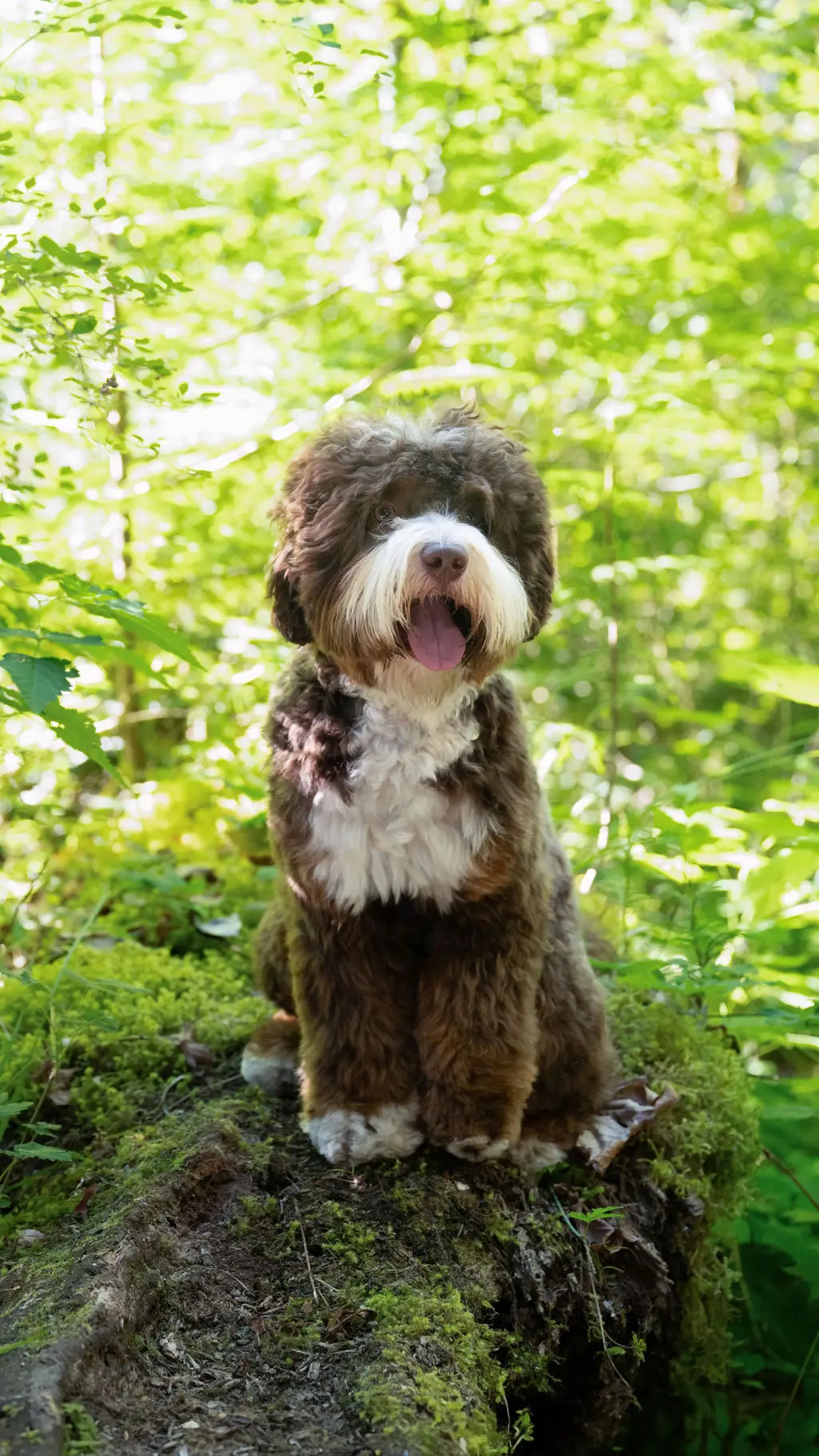
Many Australian Labradoodles with obvious tuxedo markings test S/S on commercial panels.
At first, this appears impossible. The dog visibly has substantial white, yet the report may be interpreted as saying the dog neither has nor carries white.
The explanation is that commercial S-locus testing does not identify every genetic route to white spotting.
For another example of why a genetic result needs context, see Why Do Some Doodles Have Blue Eyes?
The principal white-spotting locus is associated with MITF, a gene involved in the development and migration of pigment-producing melanocytes. The traditional model describes an allelic series that includes:
- S: solid
- si: Irish spotting
- sp: piebald
- sw: extreme white
Modern research shows that white spotting is more complicated than four tidy, independently testable alleles. Regulatory variants, repeat lengths and combinations of variants around MITF influence how much white develops. The phenotype may also be affected by additional modifier genes that have not yet been fully identified or made commercially testable.⁷
A current commercial test may detect one recognised piebald-associated variant while missing the genetic factors responsible for an Australian Labradoodle’s tuxedo pattern. si and sw are not available genetic tests for Australian Labradoodles at this time.
The test has not proved that the visibly tuxedo dog has no white. It simply means that the laboratory did not detect the particular white-spotting variant included in its assay.
This is why experienced breeders study:
- the dog’s actual markings
- the markings of parents and siblings
- previous offspring
- the tested S-locus result
- patterns repeatedly produced within the line
The DNA result is helpful, but it is not a photograph of the dog.
Brindle and the limitations of current colour testing
Canela’s K-locus result provides another example of how a laboratory report may create more certainty than the underlying science supports.
The report lists Canela as n/KB and says the detected alleles may allow a dog to be brindled or express only its base coat.¹
Canela is sable. She is not visibly brindle.
The commonly described K-locus series includes:
- KB: dominant black
- kbr: brindle
- ky: allows A-locus patterns such as sable and tan points to be expressed
However, laboratories do not all test or report every K-locus variant in the same way. Current commercial testing does not reliably resolve every form of brindle inheritance relevant to Australian Labradoodles. kbr is not currently available for Australian Labradoodle testing.
A report may therefore use broad wording suggesting that brindle is possible without giving an Australian Labradoodle breeder a dependable test for whether and how brindle will be expressed or inherited in a particular line.
The important principle is:
Testing selected known variants is not the same as identifying every genetic pathway capable of producing a visible trait.
Canela’s phenotype and pedigree remain essential to interpreting the result.
Disease tests must be interpreted within the breed
Some mutations have enormous clinical importance in breeds where the associated disorder is common and well documented.
The same test may provide far less useful information in another breed.
Canela’s broad panel includes von Willebrand disease type 1, degenerative myelopathy and other disorders that are not established as significant health problems in the multigenerational Australian Labradoodle population.¹
This does not make the diseases unimportant. It means the presence of a test on a commercial panel should not be mistaken for evidence that the condition is common in the breed.
Von Willebrand disease
Von Willebrand disease is an inherited bleeding disorder caused by deficient or abnormal von Willebrand factor, which is needed for normal blood clotting.⁸
The type 1 test included in many canine panels detects a particular variant associated with disease in certain breeds.
Von Willebrand disease is not recognised as an established Australian Labradoodle breed disorder. To our knowledge, and within the health history available through the multigenerational ALD community, there has not been a confirmed breed case attributable to the tested type 1 mutation.
The test remains on Canela’s report because it is included in the laboratory’s panel, not because it represents a known problem in her breed or pedigree.
Canela is clear, which is fine information to have. It is not a result that materially changes our view of her as a breeding dog.
Degenerative myelopathy
Degenerative myelopathy is associated with a variant in SOD1. In clinically susceptible breeds, dogs with two copies have an increased risk of developing the disorder.
However, the SOD1 result has incomplete penetrance. Some dogs with two copies never develop clinical DM, and other genetic modifiers can influence disease risk and age of onset.⁹ A DNA result is therefore not, by itself, a diagnosis.
The list of breeds in which clinical DM has been documented includes both the Labrador Retriever and Standard Poodle, but Australian Labradoodles have not been established as a population with a meaningful prevalence of clinical DM.¹⁰
Testing may still provide background information because ALDs descend from foundation populations in which the variant exists. However, a healthy carrier can be bred to a clear dog without producing puppies with two copies.
Removing every carrier would be unnecessary and could reduce valuable diversity without delivering a measurable health benefit.
CDDY and IVDD
CDDY refers to an FGF4 retrogene on canine chromosome 12. It is associated with chondrodystrophy, premature intervertebral-disc degeneration and an increased risk of intervertebral disc disease in several breeds.¹¹
That association is real.
What the test cannot tell us is that:
- every dog with two copies will develop clinical IVDD
- every dog with one copy is unsuitable for breeding
- every dog without the variant is protected from IVDD
IVDD is complex. Breed, age, spinal anatomy, disc calcification, body proportions, weight, activity, family history and other genetic and environmental influences all contribute.
Research reviews have concluded that the FGF4 retrogene is an important risk factor while also recognising that it does not completely explain why one dog develops clinical disease and another does not.¹¹
Even in Dachshunds, a breed in which IVDD has been extensively studied, researchers have warned that using the FGF4 result alone for selection could exclude almost the entire breeding population. Disc-calcification screening and other phenotypic information may provide more useful selection information within that breed.¹²
Australian Labradoodles are not established as a breed with a high prevalence of IVDD. Applying a rigid selection rule developed around a high-risk chondrodystrophic breed is therefore difficult to justify.
A breeder should also examine:
- overall proportion and balance
- leg length relative to body length
- strength of topline
- depth and shape of chest
- front and rear construction
- movement
- body condition
- spinal health in relatives
- age and soundness of older family members
- what previous generations have produced
A dog can carry two copies of CDDY and never experience clinical IVDD. A dog without two copies can still develop disc disease.
CDDY status is information. It is not destiny.
The danger of breeding by laboratory report
The more tests available, the easier it becomes to believe that the safest dog is the one with no highlighted results.
That is not necessarily true.
A dog may be clear for every condition on a commercial panel and still have:
- poor structure
- an unstable temperament
- infertility
- allergies or immune disease
- orthopedic problems
- epilepsy
- heart disease
- a serious inherited condition for which no DNA test exists
Conversely, an outstanding dog may carry a recessive mutation that can be managed safely through mate selection.
A breeder who eliminates every carrier, every risk allele and every imperfect trait result may gradually reduce the breeding population to a small group of related dogs.
That can increase:
- homozygosity
- coefficient of inbreeding
- expression of previously rare recessive disorders
- fertility problems
- immune-related disease
- dependence on popular sires
- loss of traits essential to the breed
Research into canine populations repeatedly demonstrates that bottlenecks, strong selection, closed gene pools and intensive use of particular dogs can reduce diversity and concentrate harmful variants.¹³ ¹⁴
Genetic testing must therefore be used to manage disease without turning every detectable variation into a reason to eliminate a dog.
Every selection decision carries unknown genes with it
When breeders select strongly for or against a visible trait, they are not selecting one isolated gene from a menu.
Genes are inherited in chromosomes. Variants located close together may travel through generations together more often than random chance would predict. This is known as genetic linkage.
Repeatedly using related dogs for a desired trait also increases many other variants carried within that family, including variants we do not yet understand and cannot test.
Imagine repeatedly selecting for:
- a particularly straight coat
- one precise shade of colour
- exact markings
- shorter legs
- a particular head shape
- one fashionable sire
- the absence of every currently testable mutation
The breeder may successfully reinforce the desired feature while unknowingly increasing a variant associated with infertility, immune dysfunction, urinary disease, neurological disease or another condition that will not be identified until years later.
Science cannot test for mutations that have not yet been discovered.
Every time we breed to reinforce or eliminate one characteristic, we also pass along thousands of variants about which we know little or nothing.
That is why preserving diversity and evaluating the whole dog are health strategies, not compromises.
What Dalmatians taught us
Dalmatians offer one of the clearest historical examples of unintended selection consequences.
The breed was selected for its distinctive spotting: strong, well-defined spots that were separated rather than running together.
At the same time, the mutation responsible for hyperuricosuria became fixed throughout the traditional Dalmatian population.
The mutation occurs in SLC2A9, a gene involved in transporting uric acid. Dogs with the mutation excrete unusually high levels of uric acid in their urine. This can lead to urate crystals and stones. In some dogs, stones can obstruct the urinary tract, making urination difficult or impossible and requiring urgent treatment or surgery.¹⁵
Evidence indicates that the high-uric-acid allele was inherited in association with genetic factors involved in the Dalmatian’s desired spotting. Selection for clearer, more distinctive spotting appears to have inadvertently helped carry the harmful urinary allele through the breed.¹⁶
No breeder deliberately set out to create dogs vulnerable to urinary obstruction.
They selected for spots.
But the desired visible trait and a harmful allele travelled through the population together.
By the time the genetic problem was fully understood, essentially all traditional Dalmatians carried two copies of the SLC2A9 mutation.¹⁵
In 1973, geneticist Dr Robert Schaible bred a Dalmatian to a Pointer to reintroduce a normal uric-acid allele. Descendants were repeatedly bred back to Dalmatians while retaining the healthy allele, eventually producing the low-uric-acid, or LUA, Dalmatian lines recognised today.¹⁷
The lesson is not that breeders should never select for breed traits.
The lesson is:
Selection always carries more genetic material with it than the single feature we can see.
A breeder who focuses too narrowly on one result or one visual characteristic may create a new problem while trying to remove another.
Genetic diversity is part of health testing
Every breed has a finite gene pool.
When each newly available test is treated as an absolute exclusion test, the cumulative loss of breeding dogs can become significant.
Continually eliminating:
- every recessive carrier
- every dog with a risk-associated allele
- every dog with an imperfect coat result
- every dog outside a narrow colour preference
- every family that differs from the current fashion
can reduce diversity more quickly than breeders realise.
The goal is not to create dogs whose laboratory reports contain no highlighted variants at any cost.
The goal is to produce healthy, functional dogs while preserving enough diversity for the population to remain healthy in future generations.
Responsible breeding is always a balance among:
- known genetic risks
- unknown genetic risks
- structure
- temperament
- fertility
- longevity
- family history
- diversity
- the strengths and weaknesses of both proposed parents
There is no laboratory test for that balance.
What an experienced breeder evaluates
A capable breeder combines multiple forms of evidence.
The individual dog
We assess health, structure, movement, coat, temperament, resilience, behaviour, maturity and reproductive fitness.
The family
A healthy individual may have multiple close relatives showing the same inherited weakness. Conversely, a dog may carry a variant that has produced no clinical disease across a long-lived and well-documented family.
The pedigree
The pedigree helps identify concentrations of traits, relatedness, longevity, health patterns and strengths or weaknesses likely to meet in a particular mating.
The genetic results
Testing allows us to avoid specific high-risk combinations and understand what each parent may pass to its puppies.
The proposed mate
Breeding decisions are made about pairs, not isolated dogs. A carrier may be a very appropriate breeding dog when paired with a tested clear partner.
Conformation and movement
Structure determines how a dog carries and uses its body throughout life. A DNA panel cannot replace hands-on evaluation of proportions, balance, angulation, topline, feet and movement.
Temperament
The breeder must recognise emotional stability, confidence, sensitivity, resilience, sociability and the ability to settle. These are complex inherited characteristics for which no simple DNA panel exists.
The offspring
Responsible breeders follow their puppies into adulthood, record health and temperament and adjust future decisions according to what each mating actually produced.
This feedback, collected over generations, is something no one-time laboratory report can provide.
Questions puppy buyers should ask
Instead of asking only, “How many DNA tests does the breeder perform?”, better questions include:
- Which inherited conditions are relevant to this breed and these lines?
- Why were these particular tests chosen?
- Which results are included only because they are part of the laboratory’s panel?
- How does the breeder manage carriers of recessive conditions?
- How are structure and movement assessed?
- How is temperament evaluated?
- What is known about the health and longevity of close relatives?
- How are puppies followed after they leave?
- How does the programme protect genetic diversity?
- What would cause a dog to be removed from breeding?
- Can the breeder explain both the value and limitations of each test?
A breeder who truly understands genetic testing should be able to explain not only what a result means, but also what it does not mean.
Frequently Asked Questions
Should responsible breeders DNA test their dogs?
Yes.
Breed-relevant DNA testing is one of the most valuable tools available to modern breeders. It can prevent affected puppies and identify genetic risks that cannot be seen by looking at a healthy young dog.
The concern is not testing itself. It is indiscriminate testing followed by poor interpretation.
Does a long DNA report prove that a breeder is responsible?
No.
A breeder may order every available test without understanding whether the results are relevant, predictive or properly validated in the breed.
The important question is not how many tests were ordered. It is how intelligently the information is used.
Is a genetically clear dog automatically an excellent breeding dog?
No.
“Clear” means that the dog does not carry the particular variants tested. It does not mean the dog is free from every inherited disorder, structurally sound, temperamentally appropriate or genetically superior.
Is a carrier unhealthy?
Usually not when discussing a straightforward autosomal recessive condition.
A carrier generally has one normal copy and one altered copy and does not develop the recessive disorder. A carrier bred to a clear dog will not produce genetically affected puppies.
Why not breed only clear dogs?
When a variant is rare and the breed has abundant diversity, breeders may gradually reduce it without difficulty.
When a variant is common, immediately removing every carrier can eliminate a substantial portion of the breeding population. That can increase inbreeding and concentrate other harmful variants.
A thoughtful approach may be to breed an excellent carrier to a clear dog, retain a clear offspring and preserve the family’s valuable qualities.
Does two copies of CDDY mean a dog will develop IVDD?
No.
Two copies may increase risk in certain breeds, but they do not guarantee clinical disease. A dog without two copies is also not guaranteed to remain free of IVDD.
The result should be considered alongside structure, breed, family history and clinical evidence.
Is CDDY irrelevant?
No. It is a genuine genetic risk factor with strong evidence in several chondrodystrophic breeds.
What is inappropriate is treating it as a universally predictive test or using it as the sole reason to remove a dog from an Australian Labradoodle breeding programme.
Does an “at risk” DM result mean the dog has degenerative myelopathy?
No.
It means the dog has two copies of a known SOD1 risk variant. DM has incomplete penetrance, and the DNA result is not a clinical diagnosis.
Why test for DM when it is not an established ALD problem?
The result may provide background mating information because the mutation exists in some foundation breeds.
However, a carrier can be bred to a clear dog without producing puppies with two copies. There is little justification for eliminating an otherwise valuable healthy carrier solely on that basis.
Why does Canela have a shedding result when she does not shed?
The test examines selected markers associated with shedding in certain dog populations. It does not measure every gene and biological process affecting an Australian Labradoodle coat.
Canela’s mature phenotype is the more reliable answer to whether she sheds.
Why is Canela D/D if her chocolate coat has lightened?
The D-locus test examines known MLPH dilution variants. It does not test the progressive greying or fading commonly seen in Poodles and Australian Labradoodles.
They are different biological processes.
Why does Canela carry white spotting when she has no visible white?
White-spotting variants have variable expression. A heterozygous dog may display obvious white, minimal white or no readily visible white.
The result is still useful for calculating what she may pass to her puppies.
How can a visibly tuxedo ALD test S/S?
The commercial test does not detect every genetic cause of white markings.
A dog may carry untested regulatory variants or modifiers affecting MITF and white spotting. An S/S report means the tested piebald variant was not detected. It does not mean the visible white does not exist.
Can DNA testing tell us whether a dog will have a good temperament?
Not currently.
Temperament is complex and influenced by many genes, prenatal conditions, maternal care, early development, learning and environment.
An experienced breeder evaluates the dog, its relatives and the temperaments previously produced by the line.
Can selecting against one trait create another problem?
Yes.
Strong selection reduces variation around the selected trait and may also increase linked or unknown variants carried by the same dogs. The Dalmatian’s historical relationship between desired spotting and hyperuricosuria is an important example.
What is the most important qualification in a breeder?
There is no single test or certificate that replaces knowledge and judgement.
A strong breeder understands genetics but also knows how to assess structure, movement, temperament, family history, longevity and the compatibility of two particular dogs.
The bottom line
DNA testing has transformed responsible dog breeding.
We should use it. We should support continued research. We should change our decisions as better evidence becomes available.
But DNA testing is not a breeding programme.
Breeding requires the ability to evaluate the dog standing in front of us, understand the dogs behind it and anticipate what may emerge when two families are brought together.
The best breeders do not reject science, nor do they surrender their judgement to it.
They combine testing with phenotype, conformation, temperament, pedigree, family history, genetic diversity and decades of observation.
The laboratory identifies variants. The breeder must understand the dog.
Explore more Australian Labradoodle articles in https://vanisledoodles.com/blog/Discover ALDs
References
1. Animal Genetics. Genetic Testing Report: Canela. Laboratory reference 992314. Generated August 5, 2026. Personal breeding record.
2. Shaffer LG, Sundin K, Geretschlaeger A, et al. Standards and guidelines for canine clinical genetic testing laboratories. Human Genetics. 2019;138(5):493–499. doi:10.1007/s00439-018-1954-4.
Read the full article
3. Hédan B, Cadieu E, Botherel N, et al. Genetic analysis of the modern Australian Labradoodle dog breed reveals an excess of the Poodle genome. PLOS Genetics. 2020;16(9):e1008956. doi:10.1371/journal.pgen.1008956.
Read the full article
4. Hayward JJ, Castelhano MG, Oliveira KC, et al. Complex disease and phenotype mapping in the domestic dog. Nature Communications. 2016;7:10460. doi:10.1038/ncomms10460.
Read the full article
5. Weich K, Affolter V, York D, et al. Pigment intensity in dogs is associated with a copy number variant upstream of KITLG. Genes. 2020;11(1):75. doi:10.3390/genes11010075.
Read the full article
6. Strain GM. The genetics of deafness in domestic animals. Frontiers in Veterinary Science. 2015;2:29. doi:10.3389/fvets.2015.00029.
Read the full article
7. Baranowska Körberg I, Sundström E, Meadows JRS, et al. A simple repeat polymorphism in the MITF-M promoter is a key regulator of white spotting in dogs. PLOS ONE. 2014;9(8):e104363. doi:10.1371/journal.pone.0104363.
Read the full article
8. Cornell University College of Veterinary Medicine. Canine von Willebrand disease. Animal Health Diagnostic Center.
Read the veterinary reference
9. Awano T, Johnson GS, Wade CM, et al. Genome-wide association analysis reveals a SOD1 mutation in canine degenerative myelopathy that resembles amyotrophic lateral sclerosis. Proceedings of the National Academy of Sciences. 2009;106(8):2794–2799. doi:10.1073/pnas.0812297106.
Read the full article
10. University of California, Davis Veterinary Genetics Laboratory. Degenerative Myelopathy, SOD1.
View the test interpretation and clinically reported breeds
11. Batcher K, Dickinson P, Giuffrida M, et al. Phenotypic effects of FGF4 retrogenes on intervertebral disc disease in dogs. Genes. 2019;10(6):435; and Dickinson PJ, Bannasch DL. Current understanding of the genetics of intervertebral disc degeneration. Frontiers in Veterinary Science. 2020;7:431.
Read the genetics review
12. Bruun CS, Sander P, Bok W, et al. Evaluation of the FGF4 retrogene on CFA12 for breeding selection against intervertebral disc disease in Dachshunds. Animal Genetics. 2020.
Read the available full-text research
13. Bannasch D, Famula T, Donner J, et al. The effect of inbreeding, body size and morphology on health in dog breeds. Canine Medicine and Genetics. 2021;8.
Review research on breed formation and accumulated genetic risk
14. Lewis TW, Abhayaratne BM, Blott SC. Trends in genetic diversity for all Kennel Club registered pedigree dog breeds. Canine Genetics and Epidemiology. Research on breed diversity and disease management.
Read research on maintaining diversity while managing disease
15. Bannasch D, Safra N, Young A, Karmi N, Schaible RS, Ling GV. Mutations in the SLC2A9 gene cause hyperuricosuria and hyperuricemia in the dog. PLOS Genetics. 2008;4(11):e1000246. doi:10.1371/journal.pgen.1000246.
Read the full article
16. Dalmatian Club of America Foundation. Low Uric Acid Dalmatians and the association between high uric acid and distinct spotting.
Read the breed foundation’s overview
17. Dalmatian Club of America Foundation. The Dalmatian-Pointer Backcross Project and LUA Dalmatians.
Read about the LUA programme